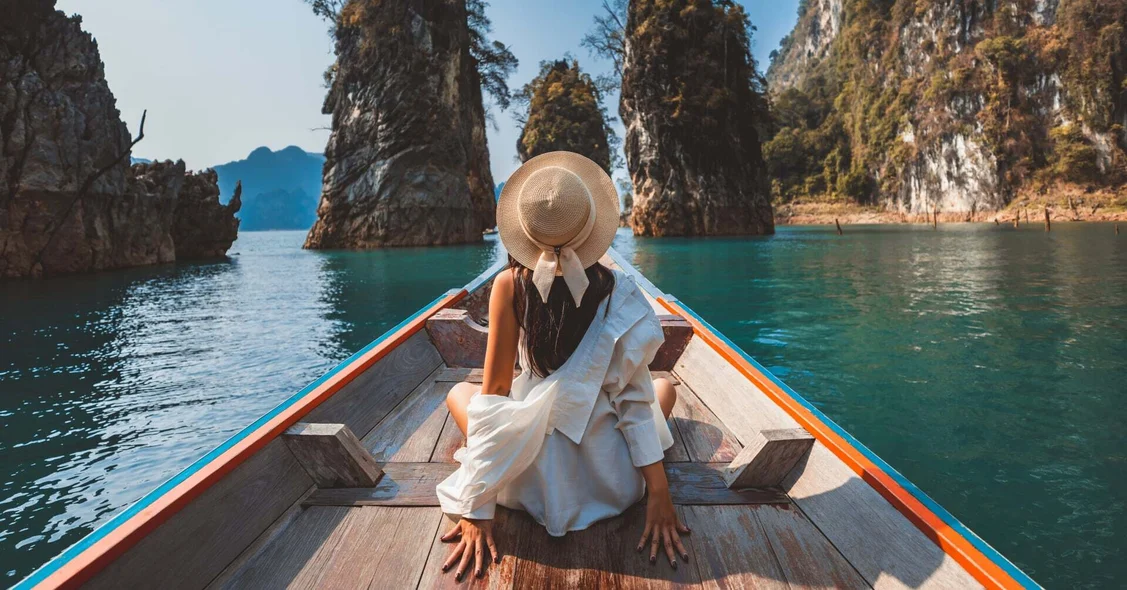
Have you ever stared at a map and felt that quiet itch to just go somewhere new? Vacations, travels, and tourism sit at the heart of that feeling. They’re not just about snapping photos or checking off lists. They’re about stepping away from everyday life to recharge, learn, and connect with something bigger than yourself. In 2026, with international arrivals hitting record highs, more people than ever are chasing these experiences. This guide pulls together everything you need – real stories from the road, practical steps, and fresh insights – to make your next trip the one you’ll talk about for years. No fluff, just the stuff that actually helps you get out there and enjoy it.
What Exactly Are Vacations, Travels, and Tourism?
Vacations are those intentional breaks where you unplug from work and routine to relax and refresh. Travels dig deeper, pushing you to explore cultures, landscapes, and ideas that shift your perspective. Tourism ties it all together as the global industry of hotels, tours, transport, and services that make these escapes possible. Think of them as overlapping circles. When they align just right, you come home changed in the best way. I still remember my first solo trip to the mountains – it started as a simple vacation but turned into the kind of travel that rewired how I see the world.
The Difference Between Vacation and Travel
A vacation usually means rest and escape, like a week at a beach resort where the biggest decision is which cocktail to order next. Travel, by contrast, involves active discovery – wandering local markets, chatting with strangers, and embracing the unexpected. The line blurs when you blend them, but knowing the difference helps you book smarter. One friend of mine books “vacations” that feel like work because he crams in every tour. Switch to travel mode, though, and the same trip becomes pure magic.
Why Vacations and Travel Are Good for Your Health and Mind
Science backs what travelers have always felt in their bones: getting away lowers stress, boosts creativity, and even strengthens your immune system. A change of scenery resets your brain, fights burnout, and sparks joy that lingers long after you unpack. I once returned from a simple lakeside getaway feeling lighter than I had in months. That emotional lift? It’s real. Light humor aside, who hasn’t laughed at how a single sunrise can fix what coffee couldn’t?
A Brief History of Tourism Through the Ages
Tourism didn’t start with Instagram. Ancient Greeks and Romans hit the road for healing springs and famous sights, while medieval pilgrims journeyed for faith. The 17th-century Grand Tour turned Europe into a classroom for wealthy youth, and Thomas Cook’s 19th-century package trips opened travel to the masses. Fast-forward to today, and planes have made the world feel smaller yet endlessly exciting. Knowing this history makes every trip feel like you’re part of something timeless.
The Economic Power of the Tourism Industry Today
Tourism isn’t just fun – it’s a powerhouse. In 2025 it contributed about $11.6 trillion to global GDP and supported 366 million jobs, roughly one in nine worldwide. International arrivals reached 1.52 billion that year, with receipts near $1.9 trillion and steady growth forecast for 2026. These numbers show how your vacation dollars support families, preserve heritage sites, and fuel local economies. Next time you tip a guide or buy a handmade souvenir, you’re part of that bigger story.
Types of Tourism: Which One Calls to You?
Tourism comes in dozens of flavors, each matching a different mood or goal. Some crave pure relaxation while others hunt thrills or deeper meaning. Picking the right style turns a good trip into an unforgettable one. I’ve tried several over the years, and each taught me something new about myself and the places I visited. The key is matching the type to what you truly need right now.
Leisure Tourism: Relaxation at Its Finest
Leisure tourism focuses on rest, beaches, and easy pleasures like all-inclusive resorts or cruise ships. It’s perfect when you just want to unwind without a packed schedule. Families and couples often choose this for its simplicity and pampering. One lazy week in Bali taught me that sometimes doing nothing is the most productive thing you can do.
Adventure Tourism: Thrills and Spills Await
Adventure tourism delivers adrenaline through hiking, rafting, diving, or trekking remote trails. It suits those who want to test their limits and collect stories worth telling. Safety matters, so research operators carefully. My first bungee jump in New Zealand left me shaking but grinning for days – pure proof that stepping outside your comfort zone feels alive.
Cultural and Heritage Tourism: Dive Into History
Cultural tourism immerses you in art, festivals, museums, and local traditions. You leave with a richer understanding of how people live and have lived. It’s thoughtful travel at its best. Wandering ancient streets in Rome felt like stepping into a living textbook, minus the exams.
Eco-Tourism and Sustainable Travel: Protect What You Explore
Eco-tourism emphasizes low-impact visits to natural areas while supporting conservation and communities. It’s growing fast because travelers want to leave places better than they found them. Small choices like choosing certified lodges make a real difference. I once stayed at a jungle lodge in Costa Rica that replanted trees with guest donations – that felt meaningful.
Wellness and Medical Tourism: Heal Body and Soul
Wellness tourism includes spas, yoga retreats, and health-focused getaways, while medical tourism seeks treatments abroad. Both promise renewal. People fly for everything from dental work to meditation weeks. A friend combined a Thai massage retreat with minor surgery and came home glowing inside and out.
Business and MICE Tourism: Mixing Work With Wonder
MICE (Meetings, Incentives, Conferences, Exhibitions) blends professional events with leisure. Attendees often extend stays to explore. It’s efficient travel that sneaks in fun. I’ve turned conference trips into mini-vacations by adding a weekend hike – work hard, play harder.
How to Plan the Perfect Vacation in 2026
Planning turns daydreams into real tickets and memories. Start early because 2026 demand is strong, yet smart choices keep costs down and experiences up. I’ve planned dozens of trips, and the ones that worked best followed a few simple steps. You can do this without stress or overwhelm.
Step 1: Decide Your Destination and Why
Clarify what you want – relaxation, culture, adventure – then match it to places that deliver. Consider season, crowd levels, and your energy. Ask yourself what feeling you want when you return home. That clarity saves regret later.
Step 2: Set a Realistic Budget
Break costs into flights, lodging, food, and activities, then add a 15 percent buffer. Tools like travel apps help track deals. Budget travel doesn’t mean suffering; it means trading luxury for local experiences that often taste better anyway.
Step 3: Book at the Right Time
Aim to book flights 2-3 months ahead for domestic and 4-6 for international. Shoulder seasons slash prices and crowds. Flexibility on dates can save hundreds. I once saved $800 by shifting a Europe trip by ten days.
Step 4: Pack Smart and Stay Safe
Roll clothes, choose versatile layers, and download offline maps plus travel insurance. Share your itinerary with someone back home. A good packing list keeps you light and ready for anything, including that surprise rainstorm.
Popular Destinations for Vacations and Travel in 2026
2026 offers fresh hotspots alongside classics, with easier access to once-remote spots. Trends lean toward nature, culture, and sustainability. Whether you crave mountains or islands, there’s something calling your name. I keep updating my own list based on real traveler feedback and current openings.
Trending International Spots to Explore
Okinawa’s islands in Japan mix beaches with unique history. Sardinia in Italy delivers rugged coasts and ancient ruins with fewer crowds than mainland spots. Patagonia’s glaciers and trails in South America promise raw beauty. St. Lucia’s volcanic landscapes and rainforests shine for honeymooners and adventurers alike. Thailand and South Korea round out the year with culture, food, and value.
Hidden Gems for Unique Experiences
Look toward places like Big Sky in Montana for wide-open skies or Phu Quoc in Vietnam for emerging luxury without the usual tourist crush. These spots reward early explorers with authentic moments and friendlier locals. One off-the-beaten-path village stay changed how I think about “touristy.”
Sustainable Tourism: Making Your Travels Count
Sustainable tourism minimizes harm while maximizing benefits for people and places. With arrivals climbing, responsible choices matter more than ever. It’s not about perfection but about small shifts that add up. I’ve seen coral reefs recover when visitors follow simple rules – proof it works.
Practical Tips for Responsible Travel
Choose fewer, longer trips to reduce flights. Support locally owned businesses and skip single-use plastics. Offset carbon when you must fly and respect wildlife by keeping distance. Travel off-season and to lesser-known areas to ease pressure on hotspots. These steps let you enjoy the world without costing it.
Budget Travel vs Luxury Vacations: Pros and Cons
Budget travel stretches your money and forces creativity, while luxury delivers comfort and seamless service. Both have trade-offs. Here’s a quick side-by-side to help you decide what fits your style this year.
| Aspect | Budget Travel | Luxury Vacations |
|---|---|---|
| Cost | Low – under $100/day possible | High – $300+ per day |
| Flexibility | High – you set the pace | Lower – often pre-planned |
| Experiences | Authentic local interactions | Exclusive access and pampering |
| Comfort | Basic but memorable | Top-tier with every need met |
| Best For | Adventurous souls who love surprises | Those craving relaxation without hassle |
Solo Travel, Family Trips, or Group Adventures?
Solo trips build confidence and freedom. Family vacations strengthen bonds through shared laughs and memories. Group tours offer safety and built-in friends. Each has its charm. I’ve done all three and still can’t pick a favorite – it depends on the season of life.
Pros and Cons of Solo Travel
Pros include total freedom to change plans and deep self-discovery. Cons involve occasional loneliness and extra safety planning. Still, nothing beats wandering a new city on your own terms with zero compromise.
Common Travel Mistakes to Avoid
Overpacking, skipping insurance, and ignoring jet lag top the list of rookie errors. Booking without reading reviews or ignoring local customs can sour a trip fast. Learn from others so you don’t repeat their stories. I once ignored weather apps and ended up soaked in a monsoon – lesson learned.
Travel Insurance: Why It’s a Must-Have
Travel insurance covers medical emergencies, trip cancellations, and lost luggage. In 2026, with unpredictable weather and health variables, it’s cheap peace of mind. Shop policies that match your plans. One delayed flight covered by insurance turned a potential disaster into a free hotel night.
People Also Ask About Vacations, Travels, and Tourism
Curious minds ask the same smart questions everywhere. Here are real ones people type into search bars, answered straight.
What is the difference between vacation and travel?
Vacation leans toward rest and escape while travel emphasizes exploration and growth. You can enjoy both in one trip. The choice shapes whether you return rested or transformed.
What are the different types of tourism?
Major types include leisure, adventure, cultural, eco, wellness, and business tourism. Each matches different interests and energy levels. Pick one or mix them for the perfect escape.
How do I plan a vacation on a budget?
Set a firm daily limit, choose shoulder seasons, book early, and eat local. Free walking tours and public transport stretch dollars without sacrificing fun. Many of my best trips cost far less than expected.
Is sustainable tourism really effective?
Yes – when enough travelers choose it, destinations see less damage and more local income. Small actions like skipping plastic and supporting community projects create ripple effects you can feel.
What are the best destinations for 2026?
Trending picks include Okinawa, Sardinia, Patagonia, and St. Lucia for their mix of nature, culture, and accessibility. Check current flight deals and visa rules before booking.
FAQ on Vacations and Tourism
Do I need a visa for most vacations?
It depends on your passport and destination. Many countries offer visa-free entry for short stays, but always double-check official sites. Planning ahead avoids last-minute headaches at the airport.
How can families make travel easier?
Book kid-friendly accommodations, build in downtime, and involve children in planning. Simple snacks and familiar routines keep everyone happy. My family trips improved once we stopped overscheduling.
What should I pack for any type of trip?
Layering clothes, comfortable shoes, a portable charger, and copies of important documents cover most bases. A small first-aid kit and reusable water bottle add smart value. Less really is more.
Can travel help with personal growth?
Absolutely. New environments challenge assumptions and build resilience. Even short trips expand your worldview in ways daily life rarely does. Give it a try – you might surprise yourself.
Is now a good time to book 2026 travel?
Early 2026 bookings lock in better rates and availability. Demand is rising, so act soon for popular spots. Flexibility on dates still saves money even this close to departure.
Travel isn’t just about leaving home. It’s about coming back a little more alive, a little more curious, and a lot more grateful. Whether you choose a simple weekend getaway or a month-long journey, the world is waiting with open arms and endless stories. Pack light, stay open, and let the road teach you what no guidebook ever could. Your next great adventure starts with one small step – why not take it today? Safe travels, friend.
